Become the AP World Student Who Writes DBQs That Connect Civilizations — While Everyone Else Memorizes Dates
55 stimulus-based MCQs. 3 SAQs. 1 DBQ with 7 documents. 1 LEQ. Nine units spanning 1200 CE to the present — trade networks, empires, revolutions, and globalization across every continent. This system maps your textbook, primary sources, and lecture notes into cited arguments, cross-civilization synthesis, and exam-ready essays.
Upload your sources into NotebookLM and work six phases: DBQ document analysis, LEQ scaffolding, and cross-civilization synthesis. Prompt it to connect civilizations, build evidence chains, and drill timed writing — every fact grounded in your materials, so no invented dates or events.
TL;DR — Score a 5 on AP World History using NotebookLM. 30 expert prompts across 6 phases: DBQ document analysis, LEQ scaffolding, cross-civilization synthesis, and stimulus-based MCQ mastery. Source-grounded, zero hallucination.
Updated June 2026. Maintained by a small team of AI super-users who teach multi-AI research and study workflows to researchers, students, and professionals — no affiliate relationships. About this guide →Changelog
Phase 1: Source architecture — upload textbook, CED, DBQ document sets. Phase 2: Cross-civilization synthesis and thematic bridging across 9 units. Phase 3: DBQ & document analysis mastery (HIPPO framework). Phase 4: Timed exam simulations: MCQs, SAQs, DBQ, LEQ. Phase 5: Period flashcards, thematic timelines, Audio Overview podcasts. Phase 6: 72-hour lockdown protocol.
How Does NotebookLM Transform AP World History Prep?
NotebookLM turns AP World prep into a source-grounded historical analysis system by analyzing only your uploaded materials — textbook chapters, primary source documents, lecture transcripts, and released DBQ sets — and producing cited, cross-referenced insights. Unlike ChatGPT, it cannot fabricate historical events because every output links back to a specific passage in your sources.
AP World demands cross-civilization thinking: connecting Mongol trade networks to the Columbian Exchange, linking the Haitian Revolution to Latin American independence movements, tracing how industrialization in Europe reshaped economies across Africa and Asia. Traditional study methods treat civilizations as isolated chapters. NotebookLM's source-grounding architecture lets you build the thematic bridges that mirror how College Board actually writes exam questions. For source-grounding basics, see the ★ Start Here — Pick Your Path Quick Start guide. For the companion US-focused exam, see AP US History.
Built for Every AP World Student
Select your situation — each links to the most relevant phase
Taking AP World Without Strong Guidance
These prompts replace the expert historical analysis you're missing — teaching you to connect civilizations and build sourced arguments at the level AP readers reward.
Know the Content But Can't Crack the DBQ Rubric
You know the history but can't earn the complexity point or the contextualization point. The "DBQ Thesis Lab" and "Complexity Point Generator" target exactly those rubric points.
Generate Custom Stimulus-Based Practice
Create stimulus-based MCQ sets, DBQ document packets, SAQ prompts, and Audio Overview podcasts by period. See the Educator's Toolkit.
Pair With APUSH Prompts
AP Lit (literature analysis) and AP Lang (rhetorical analysis) share analytical skills but test different texts. The related AP guide includes additional practice guidance.
The 6-Phase AP World Mastery Architecture
Each phase compounds on the last. The full system runs in 15-25 hours over 3-6 weeks.
① Source Architecture
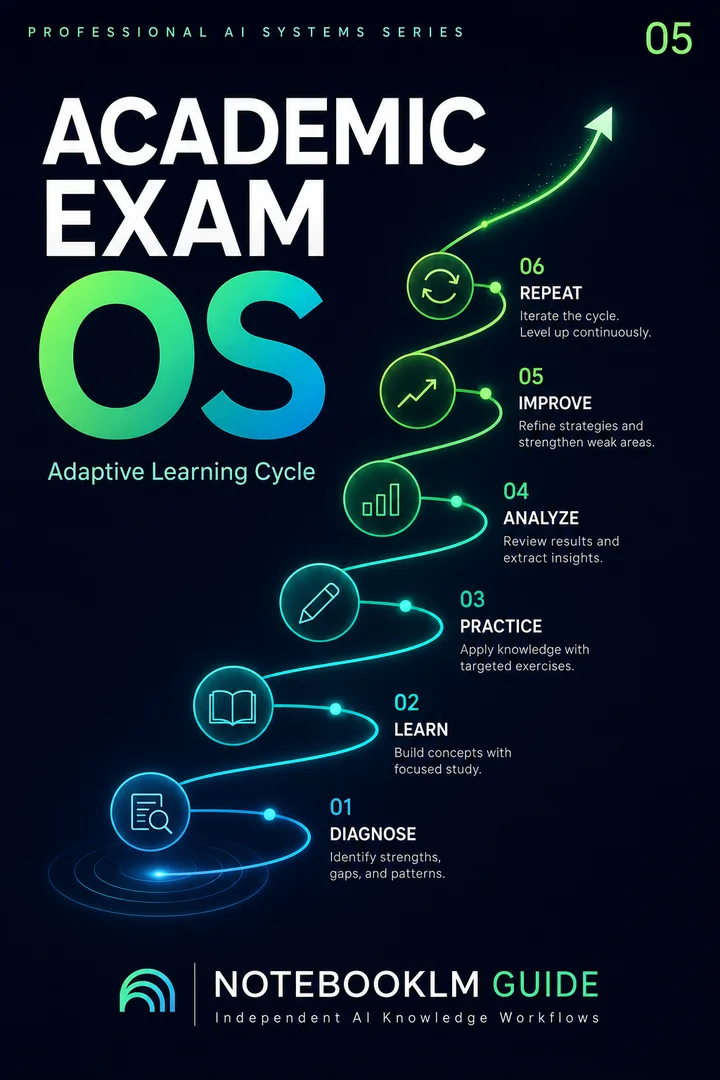
Academic Exam Prompt Package
A diagnostic study system for AP exams, GRE, SAT, and other academic tests.
- Reusable workflow architecture
- Source-grounded prompt patterns
- Implementation and review steps
- One-time purchase · permanent access
Upload texts + CED + FRQs
② Cross-Civ Synthesis
Thematic bridging × 9 units
③ DBQ & Documents
HIPPO + thesis + complexity
④ Exam Simulation
MCQs + SAQs + DBQ + LEQ
⑤ Retention
Flashcards + Audio + Slides
⑥ Final Sprint
72-hour lockdown protocol
The 3 Walls Between You and a 5
800 Years Across 6 Continents
Nine units from 1200 CE to the present. The Silk Roads, Mongol Empire, Atlantic slave trade, Industrial Revolution, Cold War, globalization — and you need to connect them across civilizations. The exam tests whether you can link developments in Africa to Asia to the Americas.
The DBQ Is 25% of Your Score
7 unfamiliar primary sources from around the world, 60 minutes, and you need a thesis, contextualization, evidence from the documents, analysis of sourcing, AND the complexity point. Most students can't even get through all 7 documents.
Cross-Civilization Blindness
The exam rewards connecting the Haitian Revolution to the French Revolution to Latin American independence. Your chapter-by-chapter notes organized by civilization don't build these bridges. The LEQ and DBQ complexity point specifically reward cross-regional and cross-temporal connections.
1 Free Teaser Prompt — Try Now
Upload your AP Lit course texts to NotebookLM before running these. The full 30-prompt library covers all 6 phases.
Teaser 1 — DBQ Thesis Lab (Featured Above)
Phase 2 · FreeAcademic Exam Prompt Package
One category-level package for AP exams, GRE, SAT, and related academic exams — not separate paid products for individual subjects.
30 copy-ready AI prompts · one PDF
Thirty prompts you can paste today, sorted across research, content, Studio outputs and multi-AI work. Instant access. No credit card.